

As we move through 2026, the debate between cloud ERP and on-premise solutions has reached a critical juncture. Our comprehensive analysis reveals how cloud ERP systems are delivering 40% lower IT costs while providing superior scalability and flexibility compared to traditional on-premise installations.
1. Total Cost of Ownership Comparison
The 2026 cost landscape shows significant differences between deployment models:
| Cost Factor | Cloud ERP | On-Premise ERP |
|---|---|---|
| Initial Implementation | Lower (No hardware costs) | High (Servers, infrastructure) |
| IT Staff Requirements | Reduced by 60-70% | Dedicated team needed |
| Software Updates | Automatic, included | Manual, additional costs |
| Scalability | Instant, pay-as-you-grow | Costly hardware upgrades |
| Disaster Recovery | Built-in redundancy | Additional infrastructure |
| 5-Year TCO (Mid-size business) | $250,000 | $420,000 |
2. ROI Analysis by Business Size
Cloud ERP delivers different value propositions based on organization size:
Quick ROI Estimator
Use this simple formula to estimate your potential savings:
Annual Savings = (Current IT Budget × 0.4) + (Productivity Gains × Employee Count × $8,500)
Where 0.4 represents the 40% average IT cost reduction and $8,500 is the average productivity gain per employee.
Small Businesses (1-50 employees)
- Average implementation time: 2-4 weeks
- Typical 3-year ROI: 220-280%
- Key benefit: Enterprise features without enterprise costs
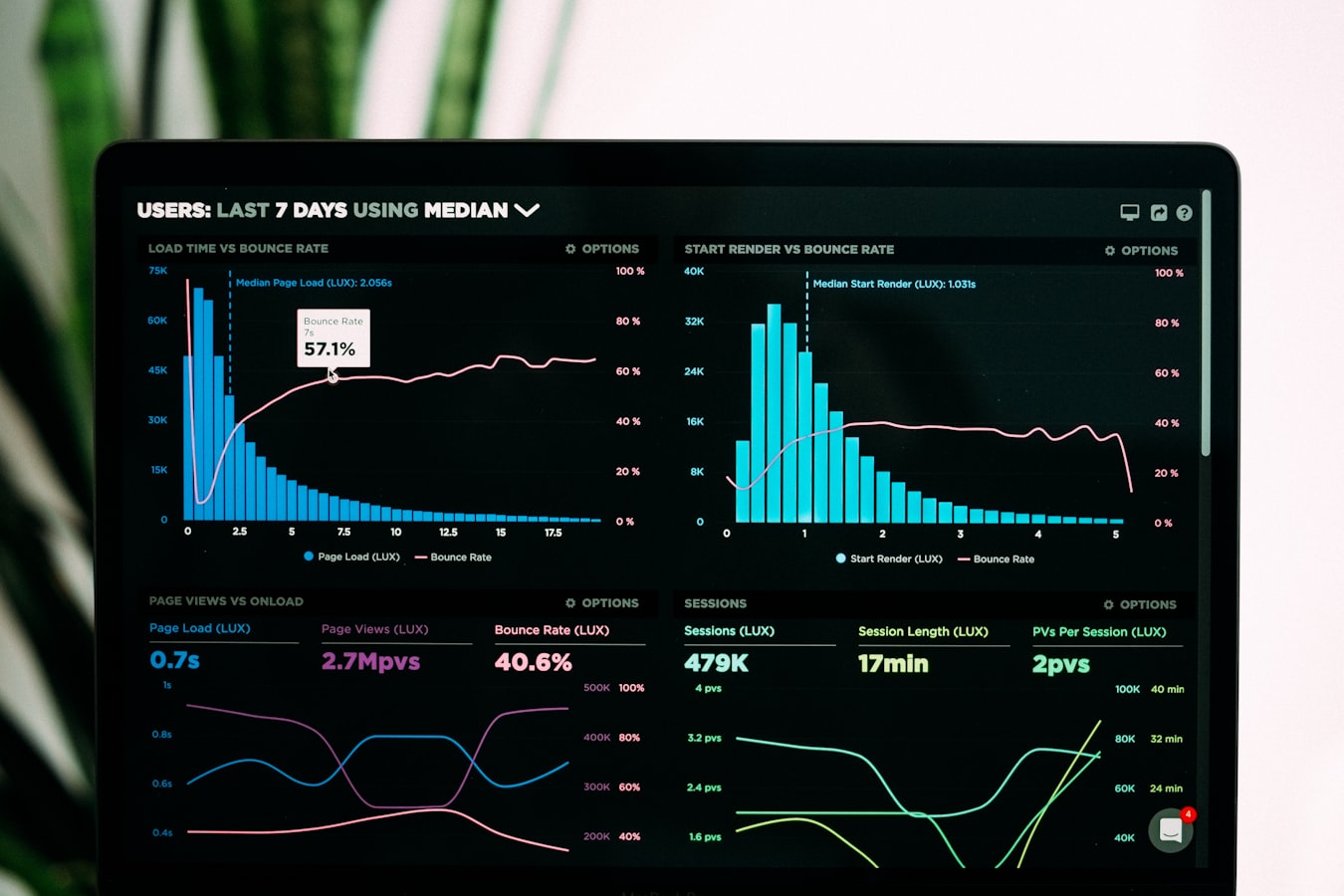
Modern cloud ERP interface designed for small businesses
Mid-Market (50-500 employees)
- Average implementation time: 6-10 weeks
- Typical 3-year ROI: 180-220%
- Key benefit: Scalability during growth periods
Enterprise (500+ employees)
- Average implementation time: 12-20 weeks
- Typical 3-year ROI: 140-180%
- Key benefit: Global accessibility and standardization
3. 2026 Technology Advantages of Cloud ERP
Recent advancements have significantly expanded cloud ERP capabilities:
Case Study: Manufacturing Company Transition
A mid-sized manufacturer reduced their ERP-related costs by 43% after migrating to cloud ERP in 2024. The solution provided real-time analytics across their three facilities, automated inventory replenishment, and reduced month-end close from 7 days to 2 days.
AI-Powered Features Now Standard
- Automated anomaly detection in financials
- Predictive inventory optimization
- Intelligent cash flow forecasting
- Natural language reporting
Enhanced Integration Capabilities
Modern cloud ERP systems offer:
- Pre-built connectors for 500+ business applications
- Low-code integration tools for custom connections
- Real-time data synchronization
- API-first architecture
4. Security Comparison: 2026 Standards
Security concerns have traditionally favored on-premise, but cloud has caught up:
| Security Aspect | Cloud ERP | On-Premise ERP |
|---|---|---|
| Data Encryption | 256-bit AES + quantum-ready | Typically 256-bit AES |
| Compliance Certifications | Automatically updated | Manual updates required |
| Patch Management | Automated, within 24h of release | Manual, often delayed |
| DDoS Protection | Enterprise-grade included | Additional cost |
5. Making the Right Choice for Your Business
Consider these factors when deciding:
When Cloud ERP Makes Sense
- You need rapid deployment
- Your IT resources are limited
- You have remote/mobile workforce
- Your business is growing or changing
When On-Premise Might Still Be Preferred
- Extremely specialized customization needs
- Regulatory requirements preventing cloud use
- Existing heavy infrastructure investments
Implementation Roadmap
- Assess current pain points and requirements
- Calculate TCO for both models
- Evaluate vendor options
- Plan data migration strategy
- Develop change management plan
Conclusion
As we progress through 2026, cloud ERP solutions have become the clear choice for most organizations, delivering substantial cost savings, advanced features, and operational flexibility. While on-premise solutions still have niche applications, the 40% cost advantage of cloud ERP combined with its technological superiority makes migration an increasingly compelling proposition. Businesses should carefully evaluate their specific needs against the latest capabilities to make an informed decision about their ERP strategy.