

In 2026, custom ERP development has become the cornerstone of digital transformation for forward-thinking businesses. Recent case studies reveal how tailored ERP modules help manufacturers reduce waste by 22% and enable retailers to cut checkout times by 35%. This guide explores the latest best practices in ERP customization to help your business achieve similar results.
1. The 2026 Advantage of Custom ERP Solutions
Modern ERP customization delivers measurable business outcomes:
- AI-Powered Process Optimization: Machine learning algorithms adapt workflows in real-time
- Hyper-Personalization: Role-specific interfaces boost productivity by 40%
- IoT Integration: Real-time equipment monitoring reduces downtime
- Sustainability Tracking: Custom modules for carbon footprint measurement
- Predictive Analytics: Custom dashboards with built-in forecasting
2. Industry-Specific Customization Success Stories
Manufacturing Case Study: 22% Waste Reduction
A mid-sized automotive parts manufacturer implemented custom ERP modules for real-time material tracking and predictive maintenance. The solution integrated with their existing IoT sensors to:
- Reduce raw material waste by 22% through precise inventory matching
- Cut machine downtime by 31% with predictive alerts
- Improve order accuracy to 99.7% with barcode integration
Retail Case Study: 35% Faster Checkouts
A regional retail chain customized their ERP with:
- Mobile POS integration for floor staff
- AI-powered inventory lookup
- One-touch loyalty program access
The result was a 35% reduction in average checkout time and 18% increase in customer satisfaction scores.
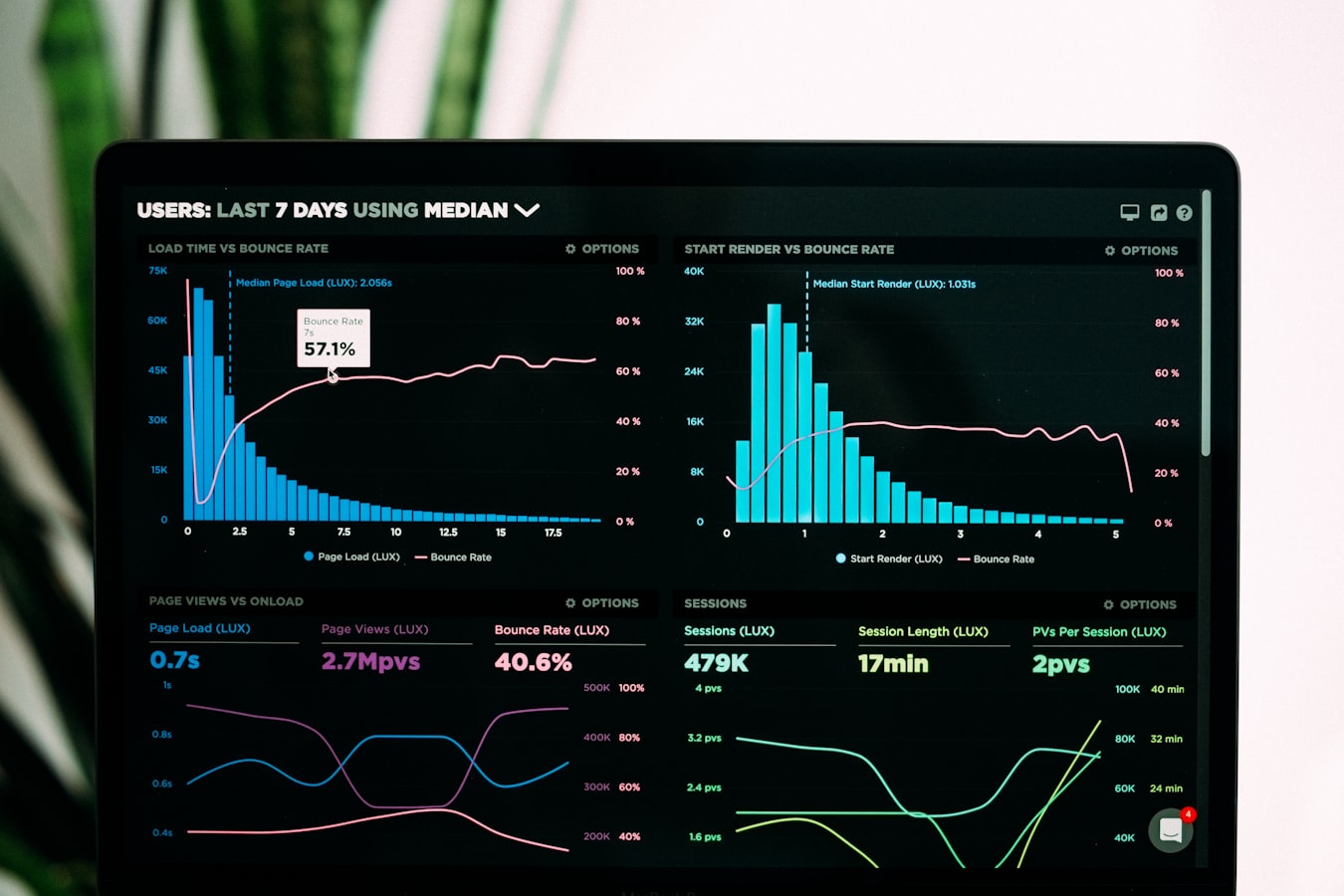
2026 custom ERP dashboard with real-time analytics and AI recommendations
3. 2026 Custom ERP Development Framework
The modern approach to ERP customization:
| Component | 2026 Innovation | Business Impact |
|---|---|---|
| Microservices Architecture | Modular, scalable components | Easier updates, lower TCO |
| Low-Code Customization | Visual development tools | 5x faster implementation |
| Embedded AI | Built-in machine learning | Automated process optimization |
| Blockchain Integration | Secure transaction logging | Enhanced compliance |
4. Avoiding Customization Pitfalls in 2026
Modern challenges and solutions:
- Change Management: Use VR simulations for user training
- Data Security: Implement zero-trust architecture
- Integration Complexity: API-first design with standardized connectors
- Skill Gaps: Partner with certified ERP developers
5. The Future of ERP Customization
Emerging trends to watch:
- Generative AI: Natural language customization requests
- Digital Twins: Virtual ERP testing environments
- Quantum Computing: Ultra-complex scenario modeling
- AR Interfaces: Hands-free ERP interaction
Conclusion
As we move through 2026, custom ERP development continues to evolve from a luxury to a strategic necessity. The businesses achieving the best results combine cutting-edge technologies with a deep understanding of their unique operational requirements. By focusing on measurable outcomes, maintaining upgrade flexibility, and leveraging modern development approaches, organizations can create ERP systems that deliver sustainable competitive advantages. The case studies prove it - whether it's 22% waste reduction in manufacturing or 35% faster retail checkouts, strategic customization drives real business value.