

As we enter 2026, ERP financial management systems are undergoing revolutionary changes. This step-by-step guide will walk you through configuring the latest ERP financial modules for real-time reporting, automated reconciliations, and dramatically faster month-end closures. Discover how these innovations can transform your financial operations.
1. 2026's Cutting-Edge ERP Financial Features
The newest generation of ERP financial modules offers unprecedented capabilities:
- AI-Powered Real-Time Reporting: Instant financial insights with predictive analytics
- Auto-Reconciliation Engines: 95% reduction in manual reconciliation work
- Continuous Close Technology: Month-end in days instead of weeks
- Blockchain Audit Trails: Tamper-proof transaction records
- Voice-Activated Financial Queries: Natural language processing for financial data
2. Step-by-Step Configuration Guide
Implementing these innovations requires careful setup:
Case Study: Global Retail Chain Implementation
A Fortune 500 retailer implemented 2026 ERP financial modules across 28 countries. The results included a 72% reduction in reconciliation time, real-time currency conversion accuracy, and automated compliance with 19 different tax jurisdictions - all achieved within 6 months.
Module Configuration Steps
- Real-Time Reporting Setup
- Enable cloud-based data streaming
- Configure AI anomaly detection thresholds
- Set up executive dashboard templates
- Automated Reconciliation
- Map all bank and payment system connections
- Establish matching rules for transactions
- Configure exception handling workflows
- Continuous Close Framework
- Implement daily close sub-processes
- Automate intercompany eliminations
- Set up variance analysis alerts
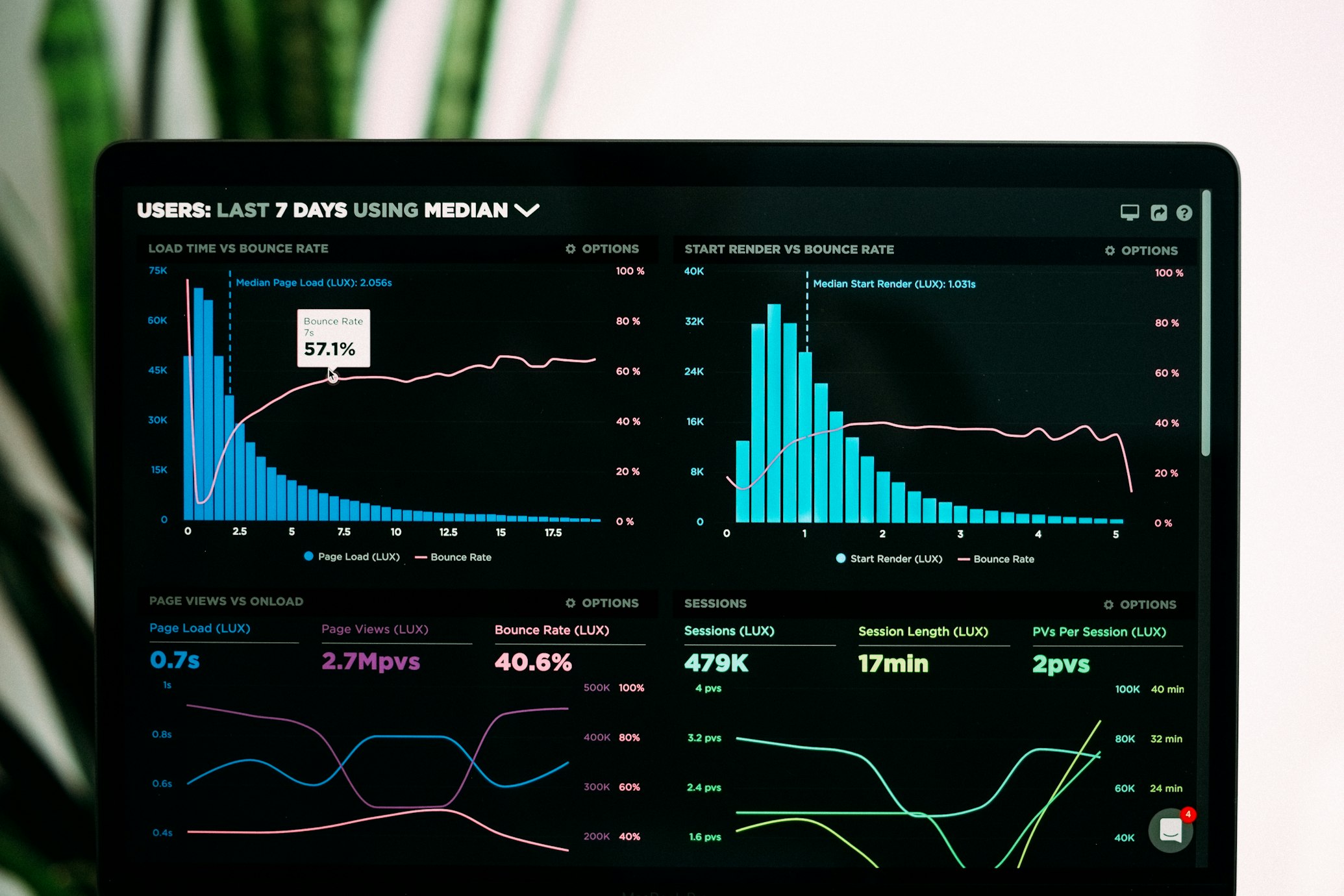
2026 ERP financial dashboard with predictive cash flow visualization
3. Integration with Emerging Technologies
The 2026 financial ERP ecosystem connects with:
| Technology | Integration Benefit | Implementation Tip |
|---|---|---|
| AI/ML Platforms | Predictive cash flow analysis | Start with 3-5 key financial metrics |
| Blockchain | Immutable audit trails | Focus on high-risk transactions first |
| IoT Devices | Real-time asset tracking | Integrate with fixed asset module |
| Digital Twins | Scenario modeling | Use for budget stress testing |
4. Overcoming Implementation Challenges
While powerful, these systems require careful deployment:
- Data Quality: Cleanse historical data before migration
- Change Management: Train teams on new workflows
- Regulatory Compliance: Verify all automated processes meet standards
- System Performance: Monitor cloud resource allocation
- Security: Implement zero-trust architecture
5. The Future Beyond 2026
What's coming next in ERP financial management:
- Autonomous Financial Operations: Self-correcting accounting processes
- Emotional Intelligence Analytics: AI that interprets financial stress signals
- Quantum Computing: Instant complex financial modeling
- Metaverse Integration: Immersive financial data visualization
- Biometric Authentication: Facial recognition for financial approvals
Conclusion
The 2026 generation of ERP financial management systems represents a quantum leap in capability. By properly configuring these systems for real-time reporting, automated reconciliations, and continuous close processes, finance teams can transition from historical record-keeping to strategic forecasting and decision support. The organizations that master these innovations first will gain significant competitive advantages in financial agility, accuracy, and insight.
Ready to Transform Your Financial Operations?
Contact our ERP financial specialists for a personalized assessment of how these 2026 innovations can benefit your organization.
Schedule Consultation