

In 2026, ERP-integrated HR solutions are revolutionizing workforce management. Leading organizations are leveraging these tools to cut hiring time in half while using AI-powered analytics to significantly improve employee retention rates. This article explores the cutting-edge features transforming HR operations in next-generation ERP systems.
1. The AI Revolution in HR Processes
Modern ERP HR modules now incorporate sophisticated AI capabilities that are redefining talent management:
- Intelligent Recruitment: Natural language processing analyzes resumes and matches candidates to job requirements with 92% accuracy
- Predictive Retention: Machine learning models identify at-risk employees 6-9 months before turnover
- Automated Onboarding: Chatbots handle 80% of routine new hire questions and paperwork
- Skills Gap Analysis: AI maps current workforce capabilities against future business needs
- Bias Detection: Algorithms flag potentially discriminatory language in job postings and evaluations
Case Study: Global Tech Firm Reduces Hiring Time by 58%
A Fortune 500 technology company implemented Oracle Cloud HCM's AI recruiting tools within their ERP system. The solution reduced time-to-hire from 42 to 18 days while improving candidate quality scores by 27%. The AI-powered system automatically screened 12,000 monthly applications, identifying top candidates based on both skills and cultural fit indicators.
2. Unified Workforce Analytics
Next-gen ERP systems break down HR data silos with powerful analytics integrations:
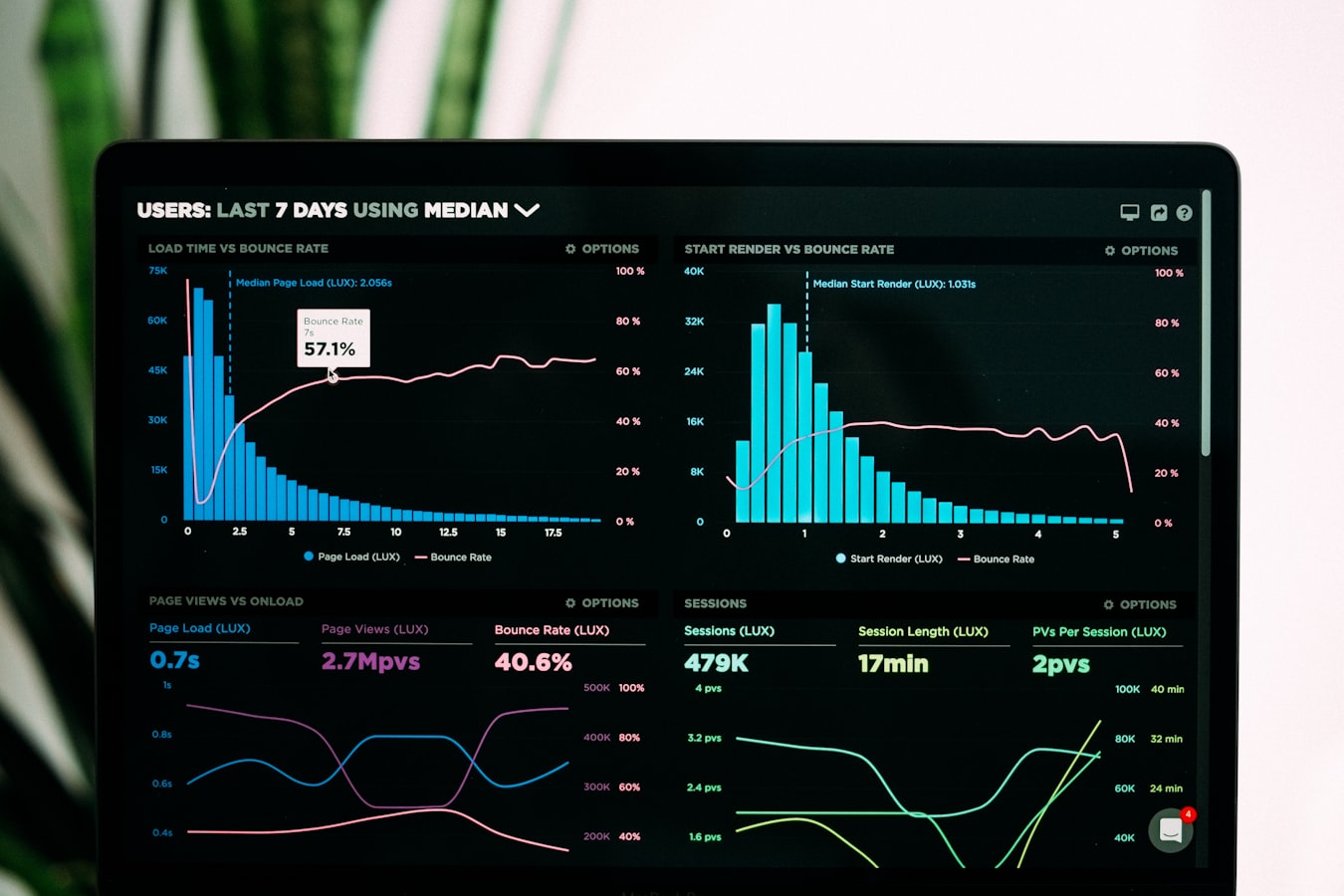
2026 ERP-HRM analytics dashboard showing real-time workforce insights
Key Analytics Features
- Real-time Headcount Planning: Visualize workforce needs across departments and locations
- Compensation Benchmarking: Compare pay scales against industry standards
- Productivity Correlations: Identify factors impacting team performance
- Diversity Metrics: Track representation across all levels
- Learning ROI: Measure training impact on performance
3. Hyper-Personalized Employee Experiences
2026 ERP systems deliver individualized HR experiences at scale:
- Adaptive Career Paths: AI recommends personalized development plans
- Dynamic Benefits: Systems suggest optimal benefit packages based on life stage
- Sentiment Analysis: Continuous pulse surveys with real-time feedback
- Microlearning: Bite-sized training modules delivered contextually
- Wellness Integration: Health data connected to productivity analytics
4. Implementation Roadmap for 2026
Successful adoption requires strategic planning:
| Phase | Key Activities | Timeline |
|---|---|---|
| Assessment | Current state analysis, needs identification | 2-4 weeks |
| Vendor Selection | RFPs, demonstrations, ROI analysis | 4-8 weeks |
| Data Migration | HRIS consolidation, data cleansing | 6-12 weeks |
| Pilot Testing | Limited rollout, user feedback | 4-8 weeks |
| Full Deployment | Organization-wide implementation | 8-16 weeks |
| Optimization | Continuous improvement, new features | Ongoing |
5. Emerging Trends to Watch
The future of ERP HR technology includes:
- Generative AI: Automated job description writing and interview question generation
- Blockchain Credentials: Immutable records of education and certifications
- VR Onboarding: Immersive orientation experiences for remote employees
- Predictive Workforce Planning: Scenario modeling for organizational changes
- Emotion AI: Voice and facial analysis for employee well-being monitoring
Conclusion
The 2026 generation of ERP HR modules represents a quantum leap in workforce management technology. By integrating AI-driven automation with comprehensive analytics and personalized employee experiences, these systems are transforming HR from a support function to a strategic driver of business success. Organizations adopting these next-gen solutions gain significant competitive advantages in talent acquisition, development, and retention—critical factors in today's dynamic labor markets.
As these technologies continue evolving, the most successful companies will be those that effectively leverage ERP-HRM integration to create data-driven, employee-centric workplaces while maintaining the human touch that remains essential in people management.