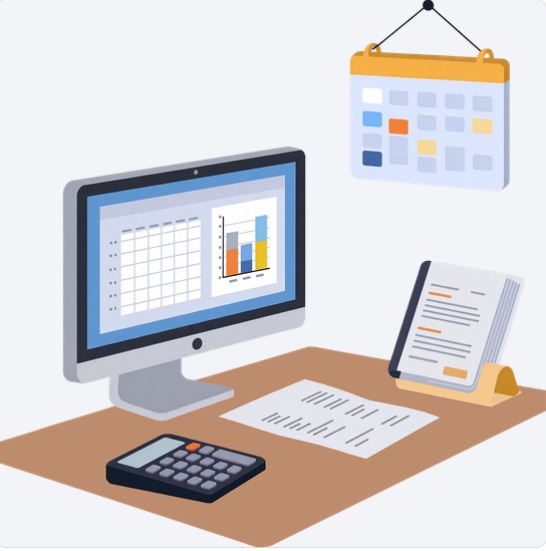
Empower the electrical industry with ERP COM BD’s advanced solutions for optimized operations and growth.
BOOK DEMOMaximize efficiency in electrical manufacturing with ERP COM BD’s tools for tracking resources, schedules, and performance metrics, ensuring accurate and timely results.
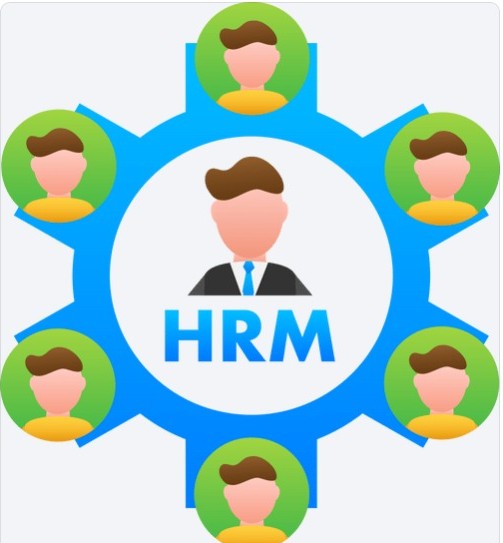
ERP COM BD streamlines staff training and production processes, improving workforce efficiency and operational performance in the electrical industry.
Generate and manage client leads with ease using ERP COM BD’s CRM tools, helping you convert prospects into long-term clients in the electrical sector.
Stay competitive in the electrical industry with ERP COM BD’s real-time analytics, allowing quick adaptations to changing production requirements.
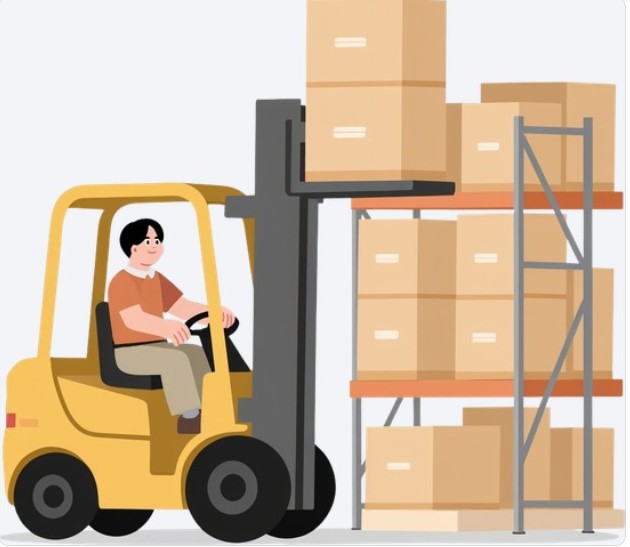
Automate key operational processes like inventory and logistics management with ERP COM BD, enabling your team to focus on product innovation and quality.
Foster long-term business growth in the electrical industry with ERP COM BD, ensuring better project management, service delivery, and market expansion.
Driving technological innovation involves adopting and implementing advanced technologies to improve processes, products,
and services. It encourages creativity, research, and experimentation to develop solutions that enhance efficiency, quality, and competitiveness.
By leveraging modern tools, data analytics, and R&D capabilities, organizations can identify opportunities for innovation, streamline operations,
and create value-added solutions. This approach helps businesses stay ahead of industry trends, improve performance,
and achieve sustainable growth through continuous technological advancement.
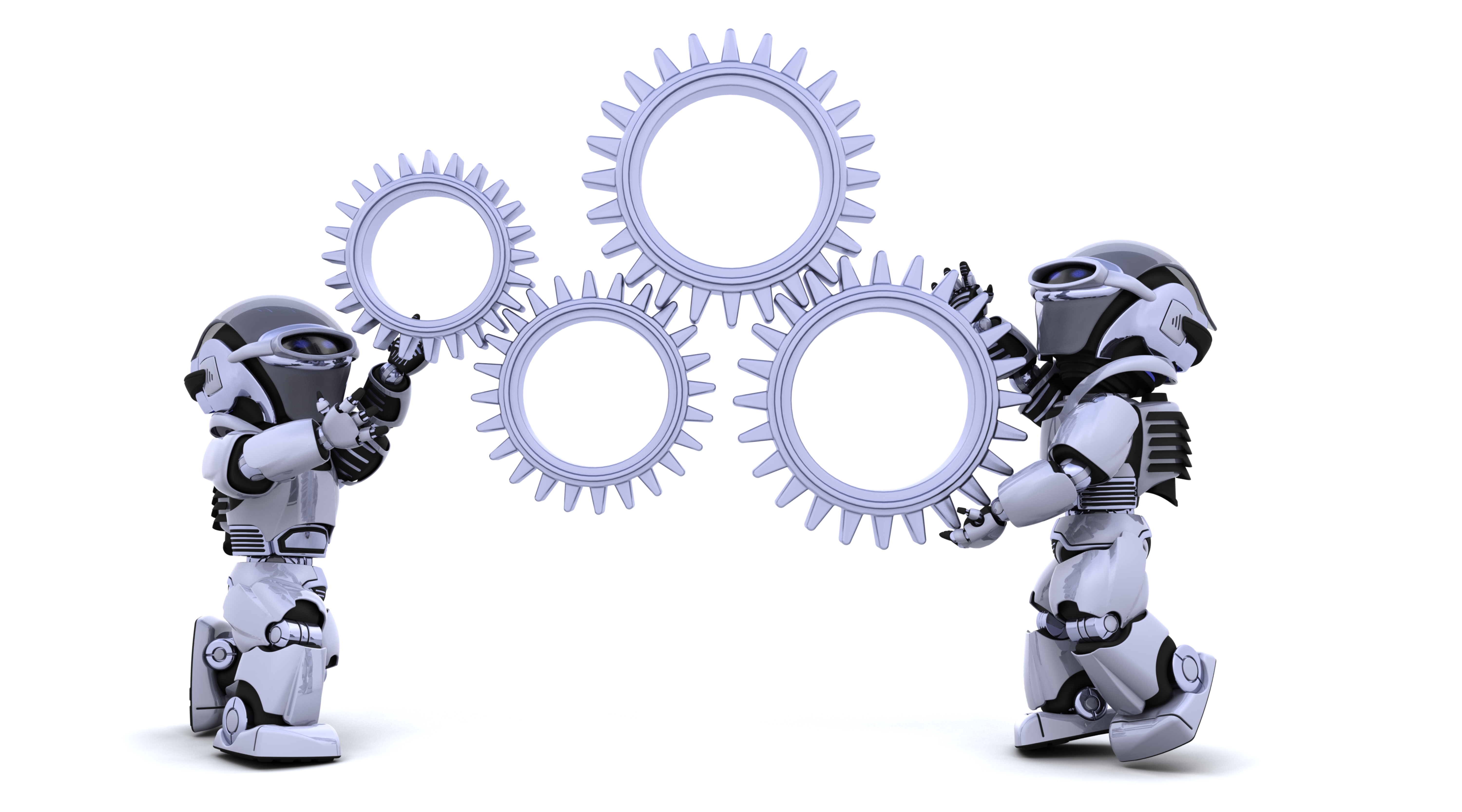

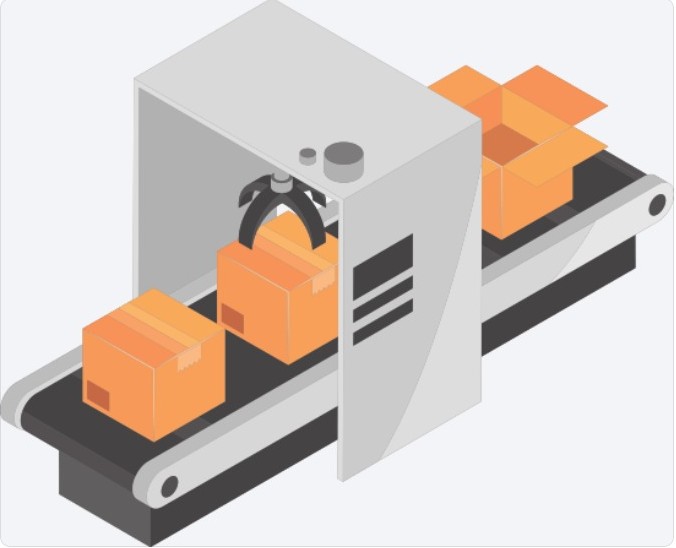
Advanced manufacturing technologies focus on leveraging modern tools, automation, and innovative processes to improve production efficiency,
quality, and flexibility. These technologies include robotics, AI-driven systems, IoT-enabled machinery, and precision
manufacturing techniques that optimize every stage of the production cycle.
By implementing advanced manufacturing solutions, businesses can reduce errors, minimize waste, enhance productivity, and respond faster to market demands.
This approach ensures higher product quality, cost-effectiveness, and long-term competitiveness in a rapidly evolving industrial landscape.
Optimizing energy consumption focuses on reducing energy waste, improving efficiency, and lowering operational costs across facilities
and processes. By monitoring usage patterns, identifying inefficiencies, and implementing energy-saving strategies,
organizations can achieve sustainable and cost-effective operations.
With modern energy management systems, businesses can track real-time consumption, automate energy controls,
and analyze data to make informed decisions. This approach enhances operational efficiency, reduces environmental impact,
and supports long-term sustainability goals.


Streamlining equipment lifecycle management involves efficiently overseeing all stages of machinery and equipment—from acquisition
and installation to operation, maintenance, and eventual replacement. Proper management ensures maximum equipment performance,
minimizes downtime, and extends asset lifespan.
With modern management systems, organizations can monitor equipment usage, schedule preventive maintenance,
and track performance metrics in real time. This approach reduces operational costs, improves reliability,
and enhances overall productivity by keeping equipment running optimally throughout its lifecycle.